
English| USD
Suggested for you
More currencies
Discover the meditative art of Matcha in the birthplace of Japan's greatest tea master
Disclaimer: This is not an official website. All content is for informational purposes only. We may earn commission from bookings.
Hand-picked experiences loved by thousands of travelers
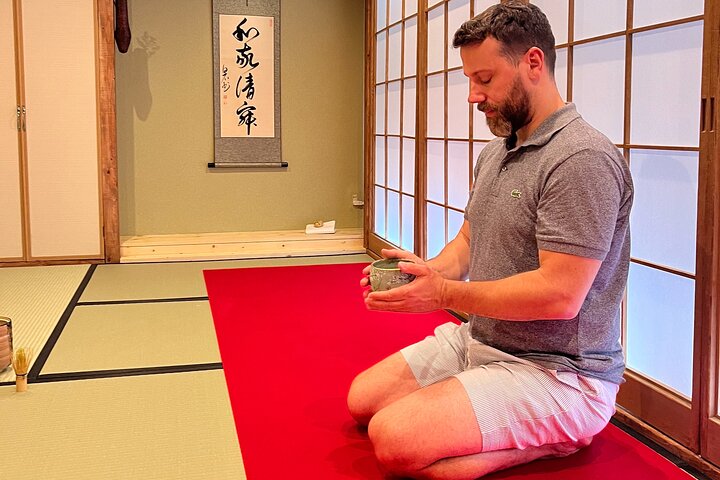
Experience a traditional Japanese tea ceremony in the center of Osaka's vibrant Dotonbori district.

Enjoy an immersive samurai show and hands-on Japanese traditions including armor, kimono, and tea.

Step into the world of Japanese aesthetics with a private kimono tea ceremony at the Sheraton Miyako.

A premium cultural immersion featuring samurai shows, armor dress-up, tea ceremonies, and calligraphy.

Master Japanese arts through a 5-star cultural experience featuring samurai shows and calligraphy.

Enjoy an intimate tea ceremony experience in Osaka with a private small group led by a tea master.

Relax with a Zen tea ceremony and a refreshing foot bath at a serene temple in Osaka.

Discover the arts of tea, calligraphy, and kimono in a private, climate-controlled retreat in Osaka.

A budget-friendly introduction to tea and calligraphy at a comfortable table setting in Shinsaibashi.

Personalize your cultural journey with a private tea ceremony in the center of Namba.
All the details about your upcoming adventure in one place
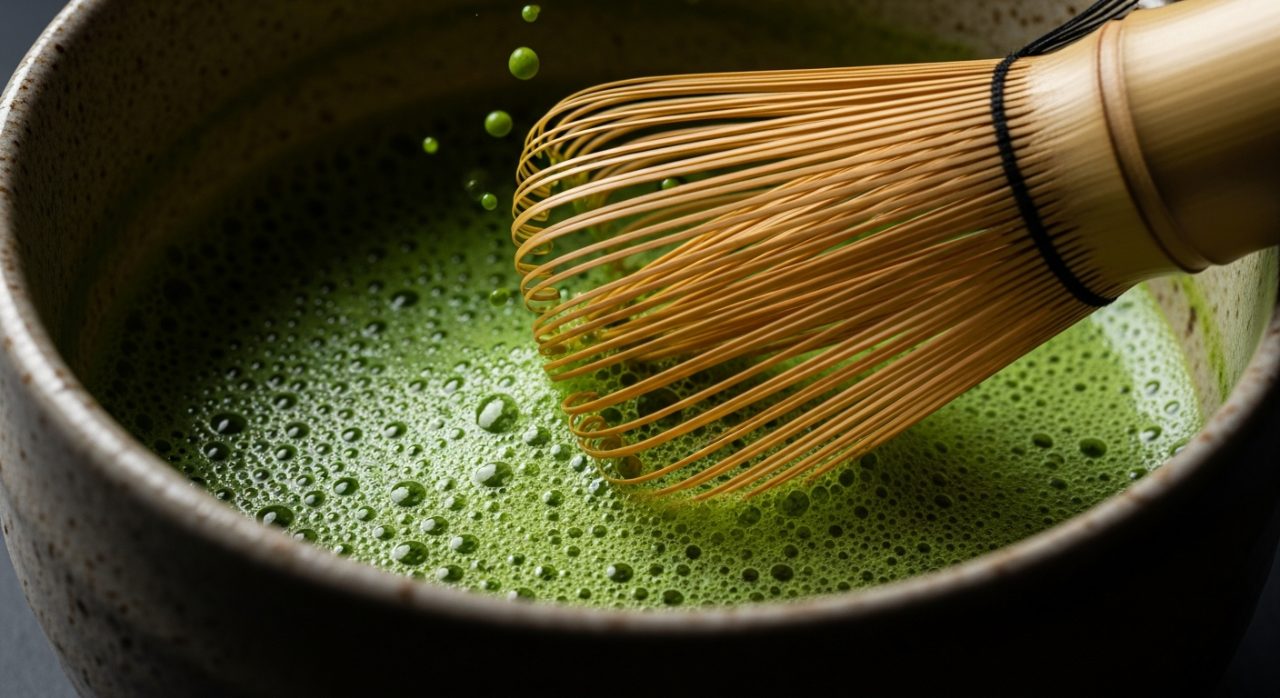
While Kyoto is famous for its temples, Osaka holds a deeply significant place in the history of the Japanese Tea Ceremony (Sadō). It was here, in the nearby merchant city of Sakai, that Sen no Rikyu—the most profound influence on the Japanese Way of Tea—was born and perfected the art of 'wabi-cha' (simple, rustic tea). Today, Osaka offers a unique approach to this ancient ritual, blending deep respect for tradition with the city's welcoming, merchant-class hospitality. Whether you choose a quick 45-minute session in the bustling Dotonbori district or a comprehensive 3-hour cultural immersion involving samurai armor and calligraphy, you will step away from the neon lights into a world of tranquility, mindfulness, and frothy matcha.
We partner exclusively with top-rated providers like Maikoya and local dojos to ensure authentic cultural standards
Make decisions based on thousands of verified reviews from travelers who have actually sat on the tatami
Most experiences are limited to small groups or private sessions to maintain the intimacy of the tea room
Get the best rates for tea ceremonies, from budget-friendly introductory sessions to premium private experiences
Secure your spot immediately, which is essential during cherry blossom and peak travel seasons
Travel plans change, which is why most of our listed tours offer free cancellation up to 24 hours before the event
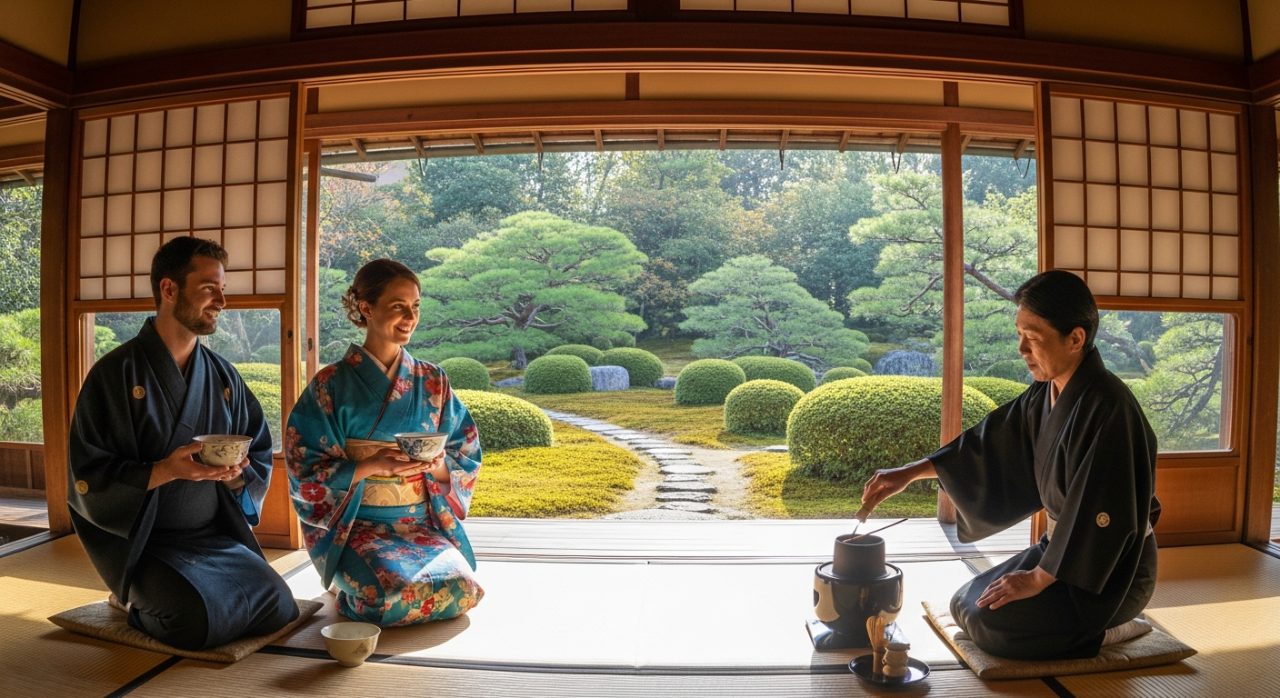
Spring (Cherry Blossoms)|Autumn (Maple Leaves)|Rainy Season (Indoor Activity)|Winter (Warm Tea)
Wear clean socks (mandatory for tatami)|Comfortable loose pants or long skirts|Avoid short skirts if not wearing kimono|Easy-to-remove shoes recommended
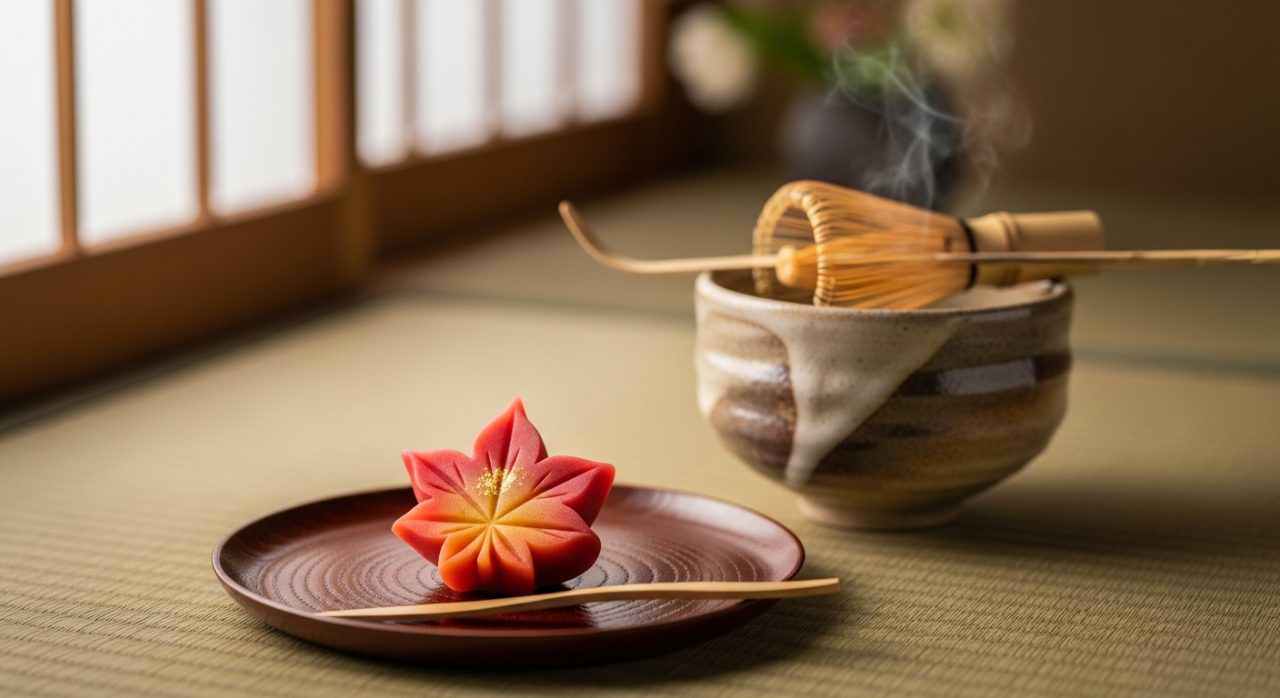
The tea ceremony was perfected in the 16th century during the Sengoku period. Warlords and merchants in Osaka/Sakai used tea rooms as neutral ground for politics and socialization, developed under the guidance of Sen no Rikyu.
Free cancellation up to 24 hours in advance for a full refund|No-shows are charged 100%|Changes to dates subject to availability
Share your experience: #TeaCeremonyOsaka #MatchaLover #OsakaTravel #JapanCulture #KimonoExperience #WanderlustJapan
 2h
2h
 2h
2h
 4h
4h
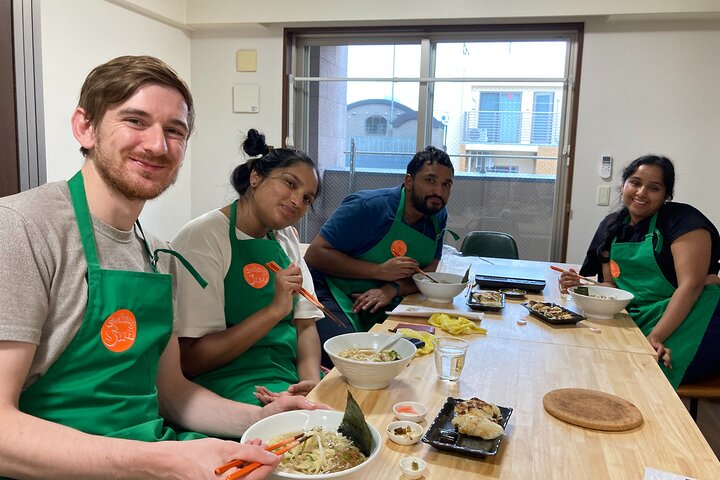 3h
3h

 3h
3h
 2h
2h
Real experiences from real travelers
We booked the Dotonbori tea ceremony and it was a perfect break from the crowds. The host was incredibly patient and explained the history beautifully. The matcha was delicious and not too bitter.
I was worried about sitting on the floor, but they offered a small stool which was a lifesaver. The kimono dressing part was efficient and we got amazing photos. Highly recommended for couples.
The ceremony was lovely. We did the combo with the Samurai show which was a bit touristy but very entertaining. The tea part felt very genuine and peaceful.
Our tea master spoke excellent English. Learning to whisk the tea properly is harder than it looks! A very hands-on experience that I would do again.
As a Japanese person showing friends around, I was impressed. It's simplified for tourists but keeps the spirit of Rikyu alive. The sweets were seasonal and high quality.
We went to the one near Osaka Castle. The garden view was stunning. Just remember to bring fresh socks! It's a strict rule.
We took our 8 and 10 year old. The host made special 'kid-friendly' matcha (less bitter) and they loved the sweets. A great family activity.
After walking Dotonbori for hours, this was exactly what we needed. The 45 minutes went by so fast. A true Zen moment in a chaotic city.
Everything you need to know for your journey
You generally don't need to bring anything. However, it is polite and often required to wear clean white socks (or just clean socks) as a sign of respect for the tatami mats.
Smart casual is best. Avoid short skirts or tight pants that make sitting difficult. If your tour includes kimono rental, you can wear comfortable light clothes underneath.
Most tourist-friendly tea ceremonies in Osaka (Ryurei style) offer small stools or chairs for guests who cannot kneel. You should check the specific tour details or request this in advance.
Traditional Matcha has a distinct earthy, grassy flavor that can be slightly bitter, but it is served with a sugary sweet (wagashi) to balance the taste. High-quality ceremonial matcha is smoother.
Yes, many venues like Maikoya welcome families. Some even offer juice or milder tea for children. Check the specific age restrictions on the booking page.
While rooted in Zen Buddhism, the experience offered to tourists is cultural and educational rather than religious. It focuses on mindfulness, harmony, and hospitality.
Yes, photography is usually encouraged, especially during the kimono dressing and after the formal ritual. However, you may be asked to refrain from photos during the quietest moments of the ceremony itself.
No, all the tours listed on our platform feature English-speaking hosts or professional translation to ensure you understand the history and instructions.
Tea ceremonies follow a strict schedule. If you are late, you may miss your slot as it disrupts the harmony for other guests. It is recommended to arrive 10-15 minutes early.
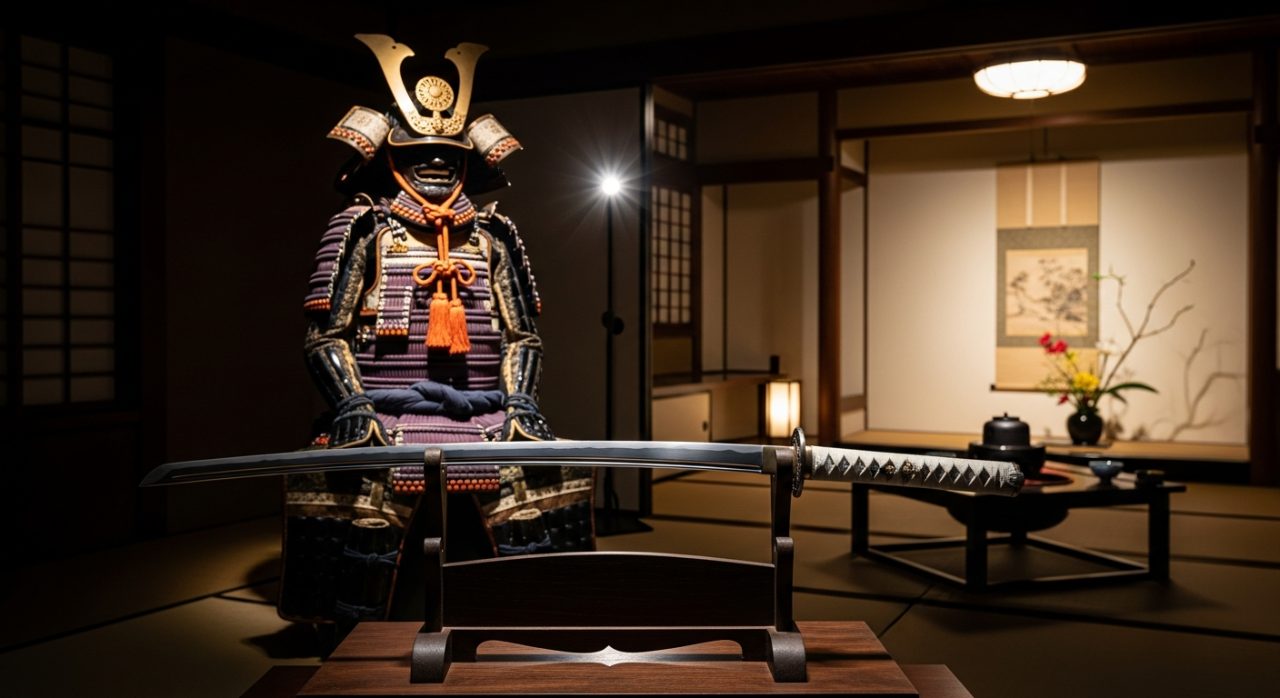
Join thousands of happy travelers who have discovered this incredible experience
Book Your Experience Now